Species Name
Oman Cownose Ray
Scientific Name
Rhinoptera jayakari (boulenger, 1895)
Family Name
Rhinopteridae
IUCN Status
Endangered
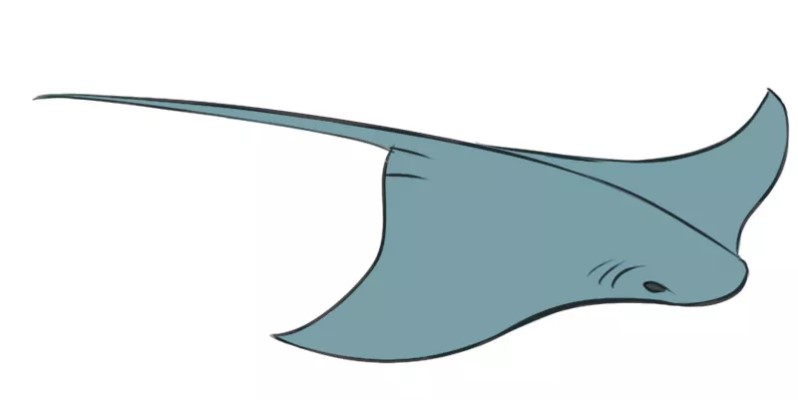
A large ray with brownish-grey dorsal disc.
Biology
Length: It reaches a maximum size of 90 cm disc width (DW) and males mature at 78 cm DW.
Gestation Period: Unknown
Litter Size: 1 pup per litter
Life Expectancy: As there is no information on the age-at-maturity and maximum age of this species, generation length is estimated to be 10 years.
Diet: Unknown
Habitat and distribution
Habitat: Benthopelagic in the open ocean and often aggregating in large shoals.
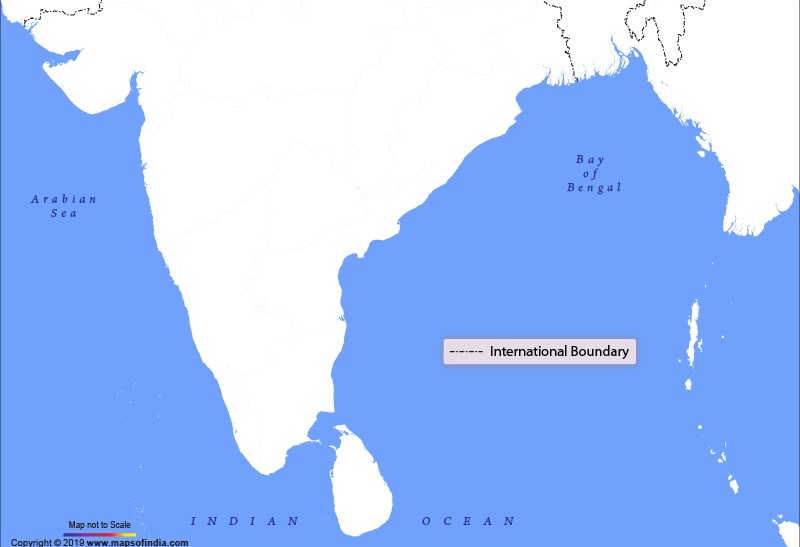
Distribution: The Oman Cownose Ray is widely distributed throughout the Indian and Western Pacific Oceans from Mozambique to Japan.
Depth: 0-50 m
Landing sites: Cochin Fisheries Harbour, Veraval, Mangrol, Porbander, Okha, Junglighat, Burmanallah, Wandoor, and Dignabad
Commercial Value
The flesh of the Oman Cownose Ray is valuable and used fresh or salted and is consumed locally or exported dried. In the Gulf of Oman this species is of low value and likely to be discarded. However, it is utilized in Pakistan and India. The meat is usually sold either fresh or dried for human consumption. In Pakistan, the wings (pectoral fins) of adults are frozen and exported to Thailand and Malaysia or used as raw material for fish meal production. In India, elasmobranchs are consumed historically and in the southern state of Kerala, there is a specialized market selling only rays in Thalassery, north of Cochin. The skin of whiprays is often processed and used for leather in India. Ray meat, both fresh and dry salted, is increasing in demand and therefore price in India.
Threats
The Oman Cownose Ray in taken as target and bycatch in coastal industrial and artisanal fisheries fisheries throughout its range by a range of gears including demersal trawl, purse seines, tangle nets, set nets, gill nets, droplines, longlines, and Danish seine. It is retained for human consumption or for fish meal.
References
Blaber, S., Dichmont, C.M., White, W.T., Buckworth, R.C., Sadiyah, L., Iskandar, B., Nurhakim, S., Pillans, R.D., Andamari, R., Dharmadi and Fahmi (2009)
Elasmobranchs in southern Indonesian fisheries: the fisheries, the status of the stocks and management options. Reviews in Fish Biology and Fisheries 19: 367–391.
Fisher, R.A., Call, G.C. and Grubbs, R.D. (2013) Age, growth, and reproductive biology of cownose rays in Chesapeake Bay. Marine and Coastal Fisheries: Dynamics, Management, and Ecosystem Science 5: 224–235.
Last, P., White, W., de Carvalho, M., Séret, B., Stehmann, M. and Naylor, G. (2016)
Rays of the World. CSIRO Publishing, Clayton.
Moore, A.B.M., McCarthy, I.D., Carvalho, G.R. and Peirce, R. (2012)
Species, sex, size and male maturity composition of previously unreported elasmobranch landings in Kuwait, Qatar and Abu Dhabi Emirate. Journal of Fish Biology 80: 1619-1642.
Weigmann, S. (2016)
Annotated checklist of the living sharks, batoids and chimaeras (Chondrichthyes) of the world, with a focus on biogeographical diversity. Journal of Fish Biology 88(3): 837-1037.